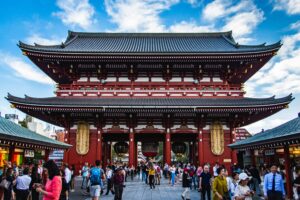

Tokyo rarely feels like one city. A morning can begin beneath the vermilion gates and incense smoke of Sensō-ji in Asakusa, continue with a bowl of ramen in Ueno, and end high above the neon energy of Shinjuku. That is why the question of how many days in Tokyo is less about checking off landmarks and more about deciding how deeply you want to feel the city’s remarkable contrasts.

For most first-time visitors, four to five days is the sweet spot. It gives you enough time for Tokyo’s essential districts, a few unplanned discoveries, and at least one day beyond the city center. Three days can work for a fast, vibrant introduction. A week lets Tokyo reveal its quieter rituals, regional flavors, design-forward corners, and late-night character without turning every hour into a race.
How Many Days in Tokyo Is Enough?
Tokyo is vast, but it is also surprisingly navigable. Its rail network makes it possible to move between neighborhoods quickly, yet the city rewards travelers who resist treating it like a collection of isolated attractions. Shibuya, Ginza, Akihabara, Asakusa, Roppongi, and Odaiba each have their own rhythm, and the journey between them is part of the experience.
If Tokyo is one stop on a larger Japan itinerary, plan four days. You will see iconic sights, eat exceptionally well, enjoy both historic and futuristic settings, and still have room to wander. If Tokyo is the main event, stay five to seven days. The additional time is where you can visit a small gallery, return to a favorite ramen counter, browse a neighborhood shotengai shopping street, or simply watch the city shift from daytime precision to evening brilliance.
Two days is possible, especially for a layover or a short city break, but it demands focus. Choose a small number of nearby areas each day rather than trying to cross Tokyo from one headline attraction to another. The city is most captivating when you give its individual neighborhoods time to breathe.
A Tokyo Stay by Trip Length
Two to three days: Tokyo’s iconic first impression
A short stay should pair Tokyo’s timeless heritage with its dazzling urban scale. Spend one day in Asakusa and Ueno. Begin at Sensō-ji, Tokyo’s oldest temple, where the approach along Nakamise-dori carries the sounds of vendors, worshippers, and visitors through a setting that feels wonderfully distinct from the city’s glass towers. From there, walk or take the train to Ueno for museums, parkland, market snacks, and a more lived-in local atmosphere.
Use your second day for the energy of western Tokyo. Shibuya offers the famous crossing, fashion, music, and a youthful pulse that stays vivid well after dark. Continue to Harajuku or Omotesando for street style, quiet shrine paths, and architecture, then finish in Shinjuku. Its illuminated streets, department store basements, compact bars, and sweeping city views create the Tokyo many travelers imagine before they arrive.
With a third day, choose according to your interests. Akihabara is a captivating world of gaming, anime, electronics, and pop culture. Ginza is better for refined shopping, elegant cafes, and exceptional food. Odaiba brings a futuristic waterfront mood, especially appealing for families, design lovers, and travelers seeking wide-open views of Tokyo Bay.
The trade-off is simple: a three-day trip delivers highlights, not depth. Make peace with what you will save for next time, and let each chosen district be more than a photo stop.
Four to five days: The ideal first Tokyo itinerary
Four or five days creates a more generous rhythm. Along with Asakusa, Ueno, Shibuya, and Shinjuku, you can give eastern and central Tokyo their own time. Spend a morning in Tsukiji’s outer market area or at a carefully chosen sushi counter, then head to Ginza for polished streetscapes, basement food halls, and the contrast between luxury storefronts and deeply rooted culinary craft.
Reserve another day for Tokyo’s cultural layers. Meiji Jingu offers a forested pause near the intensity of Harajuku. The Imperial Palace East Gardens, when open, provide a quieter view of the city’s history. Kiyosumi-Shirakawa, Yanaka, Kagurazaka, or Koenji can add a more neighborhood-focused chapter, depending on whether you prefer contemporary cafes, old Tokyo lanes, French-Japanese dining, or vintage culture.
This is also the right length for a dedicated evening in Roppongi. The district’s galleries, skyline views, restaurants, and nightlife feel dynamic in a different way from Shinjuku. Tokyo after dark is not one experience. It can be a tiny izakaya lit by paper lanterns, a jazz bar hidden upstairs, a theater performance, or a rooftop view with the city stretching toward the horizon.
Four to five days also makes room for weather and energy levels. Rain may send you toward museums, department store food floors, team-oriented entertainment, or a long lunch. A bright morning may be better spent at Tokyo Skytree, where the scale of the metropolis becomes clear from above. Flexibility is one of the most valuable things you can build into a Tokyo plan.
Six to seven days: Time for Tokyo and beyond
A week in Tokyo is ideal for travelers who enjoy place as much as sightseeing. You can revisit favorite neighborhoods at different hours, explore smaller districts, and add one or two memorable day trips. This is not excessive. Tokyo’s intensity can be exhilarating, and a slower pace gives you time to appreciate the thoughtful details that make daily life here feel so distinctive.
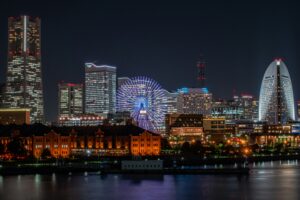
Yokohama is an easy and rewarding choice. Its waterfront setting, international history, Chinatown, and Minato Mirai skyline provide a refreshing shift while remaining connected to the greater Tokyo region. Kamakura offers another kind of escape, with temples, coastal air, and a powerful sense of spiritual heritage. For mountain scenery and hot springs, Hakone can be a longer day trip or an overnight extension, though it deserves realistic expectations about travel time and weather.
With seven days, consider leaving an afternoon unplanned. Pick a station that catches your attention, step out, and follow the local rhythm. You may find a stationery shop, a kissaten coffeehouse, a neighborhood shrine, or a tiny restaurant with a line of regulars. These moments are often what transform a well-organized trip into a personal connection with Tokyo.
Plan by Neighborhood, Not Just Attractions
Tokyo itineraries become much easier when you group experiences geographically. Pair Asakusa with Ueno or Tokyo Skytree. Combine Shibuya with Harajuku, Omotesando, or Daikanyama. Keep Shinjuku, Nakano, and Koenji in the same broad western zone. Give Ginza, Tokyo Station, and the Imperial Palace area a shared day.
This approach reduces time spent zigzagging across the city and leaves space for spontaneity. Tokyo’s train stations are efficient but often enormous, and a single transfer can take longer than a map suggests. Schedule only one major anchor per half-day. The rest can be shaped by appetite, weather, queues, and curiosity.
Hotel location matters too. Shinjuku is convenient for nightlife and rail access, while Shibuya suits travelers who want fashion, restaurants, and a youthful central atmosphere. Ginza and Tokyo Station offer a more polished, well-connected base. Asakusa provides a calmer evening feel with direct access to traditional sights. There is no universally best neighborhood, only the one that matches the Tokyo you most want to experience.
Give Tokyo Time for Food, Nights, and Small Rituals
Do not calculate Tokyo days only by museums and viewpoints. Meals are destinations here. A convenience store breakfast can be genuinely excellent, a department store basement can become a feast for the senses, and an unassuming noodle shop can be the meal you remember most. Popular restaurants may require reservations or long waits, so balance one or two planned dining experiences with flexible local choices.
The same goes for evenings. Tokyo’s nightlife is vivid, but it does not require clubbing. Wander the lantern-lit alleys of Omoide Yokocho, see the city glow from an observation deck, browse late-night record stores, or take a quiet walk along the Sumida River. A night in Tokyo can be high-energy or deeply calm, sometimes within the same few blocks.
If you are deciding between four and five days, choose five when your schedule allows. That extra day protects the trip from jet lag, rain, and the tempting urge to linger. Tokyo is at its best when you can pause long enough to notice the temple bell behind the traffic, the precision of a beautifully wrapped pastry, and the sudden stillness found just beyond a major avenue. Leave a little space in your itinerary, and the city will fill it with its own magnificence.