
Tokyo does not have one center. It has a constellation of vivid neighborhoods, each with its own rhythm: lantern-lit temple streets, cinematic crossings, quiet gardens, designer storefronts, and late-night ramen counters glowing under neon. The best area to stay in Tokyo depends less on a single “best” address than on the version of the city you want to wake up in.

For a first visit, where you stay can shape the entire trip. Tokyo’s rail system makes almost every major district reachable, but a hotel near the experiences you care about most means more unhurried mornings, easier evenings, and fewer decisions after a long flight. Here is how to choose a Tokyo base that feels right for your itinerary.
Shinjuku: Best for First-Time Energy and Nightlife
Shinjuku is Tokyo at full volume. Towering buildings, massive rail connections, department stores, basement food halls, tiny bars, karaoke rooms, and illuminated streets create a dynamic introduction to the city. It is one of the most practical choices for travelers who want to see a great deal in a short time.
Staying near Shinjuku Station puts you on convenient routes to many corners of Tokyo and beyond, including day-trip destinations west of the city. The neighborhood also works beautifully for travelers who like their evenings spontaneous. You can have yakitori in a narrow alley, catch city views from a high-rise, or settle into a cocktail bar without worrying about a long ride back to the hotel.
The trade-off is intensity. Shinjuku is crowded, especially around the station, and the bright, busy streets can feel relentless if you are looking for a serene retreat. For a slightly calmer stay, look toward the west side of the station or Shinjuku Gyoen area, where leafy paths soften the urban spectacle.
Shibuya: Best for Youthful Style and Creative Tokyo
Shibuya is a captivating base for travelers drawn to Tokyo’s fashion, music, cafes, and constantly changing street culture. The famous scramble crossing is only the opening scene. Beyond it are independent boutiques, record shops, stylish coffee counters, intimate restaurants, and neighboring areas such as Daikanyama and Harajuku.
This is an excellent choice for couples, friends, and repeat visitors who want to feel surrounded by contemporary Tokyo from breakfast through midnight. Shibuya Station also offers strong rail access, making it easy to reach Shinjuku, Ginza, Roppongi, and many other major districts.
Expect higher hotel prices and lively streets, particularly on weekends. Shibuya is less ideal for visitors seeking traditional Tokyo at their doorstep, but it is hard to beat when the goal is a vibrant, design-forward city break.
Asakusa: Best for Temples and Timeless Tokyo
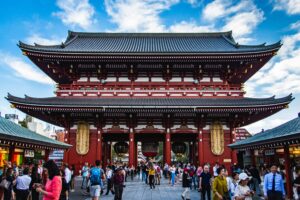
If Tokyo’s spiritual heritage is a priority, Asakusa may be the best area to stay in Tokyo. This is where early mornings bring a different kind of magic: the approach to Sensō-ji before the day’s crowds arrive, incense drifting near the temple gate, and quieter lanes where small eateries begin preparing for lunch.
Asakusa feels more intimate and historic than Shinjuku or Shibuya. Traditional-style inns, river views, craft shops, and the looming silhouette of Tokyo Skytree give the district a timeless yet distinctly urban character. It is especially appealing to first-time visitors who want iconic Tokyo imagery within walking distance, as well as families and culture-focused travelers who prefer slower evenings.
The neighborhood is not as central for nightlife or western Tokyo attractions, and its rail connections are good rather than all-encompassing. Still, the atmosphere is the reward. Choose Asakusa when you want your hotel stay to feel like part of the cultural experience, not simply a place to sleep.
Ueno: Best for Museums, Parks, and Value
Ueno offers one of Tokyo’s most balanced stays. Its expansive park holds major museums, a zoo, ponds, and spring cherry blossoms, while nearby Ameyoko is a lively market street full of snacks, casual restaurants, and bargain shopping. The contrast is classic Tokyo: calm cultural spaces one moment, spirited market energy the next.
Ueno is also a smart transportation hub, particularly for travelers arriving via routes connected to Narita Airport or planning to explore the northeast. Hotels here can offer better value than the city’s flashier districts, making it a compelling choice for budget-conscious travelers who do not want to sacrifice location.
It lacks the polished glamour of Ginza and the all-night buzz of Shinjuku, but that is part of its appeal. Ueno feels lived-in, accessible, and richly connected to Tokyo’s museum and food culture.
Ginza: Best for Luxury, Dining, and a Polished Stay
Ginza brings a more refined side of Tokyo into focus. Its wide streets are lined with flagship stores, striking contemporary architecture, elegant department stores, and exceptional restaurants. At night, the district glows with a quieter kind of magnificence than Shinjuku: sleek facades, sophisticated bars, and impeccably presented dining rooms.
This is the natural base for travelers who value luxury hotels, high-end shopping, artful food experiences, and a central location near Tokyo Station. It is also within easy reach of the Imperial Palace area, Tsukiji’s food-focused streets, and the waterfront districts.
Ginza is expensive, and it can feel subdued after stores close. If nightlife means packed dance floors or casual bar-hopping, Shinjuku or Shibuya will fit better. But for a celebratory trip, a honeymoon, or an elegant first impression of Tokyo, Ginza is difficult to surpass.
Roppongi: Best for Nightlife and International Dining
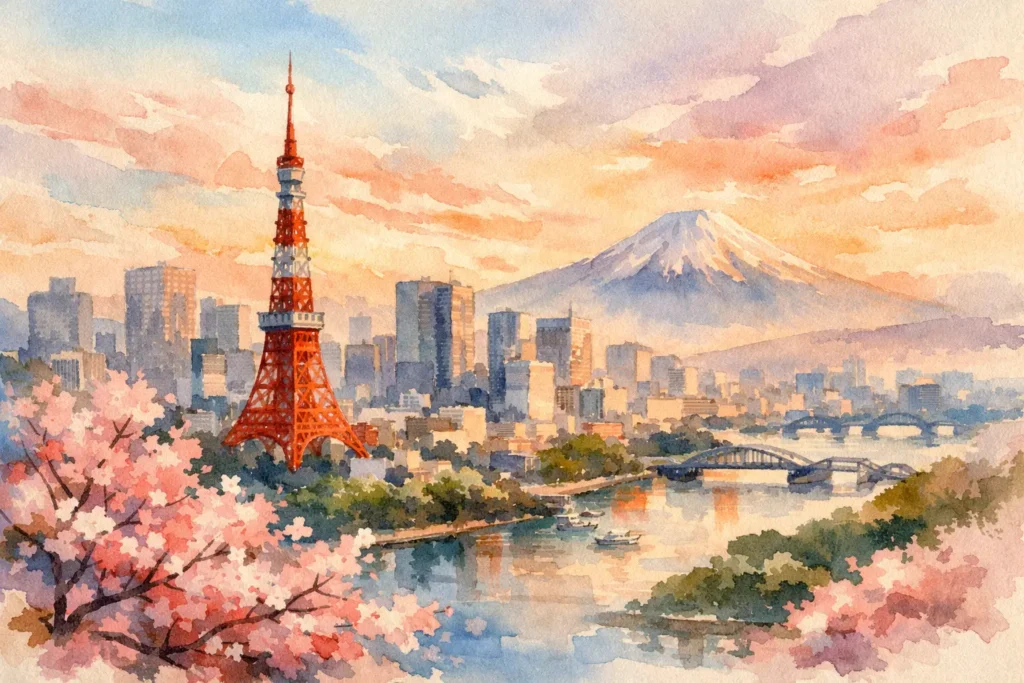
Roppongi is a global, energetic district known for late-night dining, contemporary art, and dramatic skyline views. It suits travelers who want a hotel close to fashionable restaurants, cocktail bars, clubs, and cultural destinations such as major art museums. The nearby Tokyo Tower adds another unmistakable layer to the scenery.
Because of its international character, Roppongi can feel especially easy to navigate for visitors new to Japan. It is central, polished, and well placed for reaching Ginza, Shibuya, and other key neighborhoods. It also has calmer pockets, particularly around Roppongi Hills and Tokyo Midtown, where gardens and architecture create a more composed atmosphere.
The trade-off is that Roppongi can be pricey and less distinctly local than areas such as Asakusa or Ueno. Choose it for a stylish, social stay rather than for old Tokyo charm.
Tokyo Station and Marunouchi: Best for Convenience
For travelers with a tightly planned itinerary, Tokyo Station and Marunouchi are remarkably efficient. This area is ideal for Shinkansen journeys, airport connections, and day trips to places like Kyoto, Hakone, or Yokohama. Marunouchi’s brick station facade, broad avenues, and polished office towers create a handsome, orderly counterpoint to Tokyo’s more chaotic districts.
It is a particularly strong choice for business travelers, short stays, and anyone splitting time between Tokyo and other Japanese cities. You are close to Ginza, the Imperial Palace gardens, and Nihonbashi’s historic commercial streets, while the station opens up much of the country.
What you gain in convenience, you may lose in neighborhood personality. Evening life is more restrained, and hotels tend toward the upscale end. Still, few locations make a multi-city Japan itinerary feel more effortless.
Akihabara: Best for Anime, Games, and Electric Subculture
Akihabara is a futuristic playground for travelers who love anime, manga, retro games, electronics, and the imaginative side of Japanese pop culture. Arcades, collectible shops, themed cafes, and multi-level stores make the district a destination in itself. Staying here means you can enjoy the neon spectacle after day visitors have left.
It is also surprisingly convenient, positioned between Ueno and Tokyo Station with good access to central attractions. Akihabara works best for solo travelers, friends, and enthusiasts who want their hotel neighborhood to reflect a specific passion.
For travelers seeking quiet streets, romantic dining, or traditional scenery, it may feel too specialized. Yet even a short stay can be unforgettable if this world of color, sound, and creativity is part of why Tokyo calls to you.
How to Make the Final Choice
Think first about your evenings. If you picture cocktails, crowds, and neon, stay in Shinjuku, Shibuya, or Roppongi. If you want lanterns, temple walks, and an earlier start to sightseeing, Asakusa offers a more reflective base. For rail convenience and day trips, Tokyo Station is hard to match; for museums and value, Ueno is a confident choice.
Also consider the station, not just the neighborhood name. A hotel within a short walk of a well-connected station can save considerable time and energy, especially during summer heat, rainy days, or after a full day on your feet. In a city this vast, the most memorable hotel is often the one that lets you step outside and immediately feel that Tokyo is yours to explore.
Choose the district that matches your travel mood, then leave room for surprise. Tokyo’s greatest pleasures often appear between the landmarks: a tiny soba shop near your station, a shrine tucked behind a department store, or a glowing side street that convinces you to stay out just a little longer.