
A neighborhood bakery opens before sunrise. A gardener tends a small plot with patient attention. An artist returns to a half-finished print, refining one detail at a time. These quiet scenes offer a more faithful entry into the ikigai meaning in Japanese culture than any single inspirational slogan. Ikigai can be felt in the pleasure of having a reason to rise, contribute, create, care, and remain connected to life.

Often translated as “reason for being,” ikigai is one of Japan’s most widely discussed cultural ideas abroad. Yet its appeal has also made it easy to simplify. The popular version, usually shown as a four-circle diagram about passion, profession, mission, and vocation, can be useful for career reflection. It is not, however, a complete definition of how ikigai is understood or experienced in Japan.
What Does Ikigai Mean in Japanese Culture?
The word ikigai is commonly explained through two Japanese elements: iki, meaning life or being alive, and gai, meaning worth, value, or benefit. Together, they suggest what makes life feel worth living. That can be a major life purpose, but it can also be modest, personal, and changing.
For one person, ikigai may be meaningful work or a long-practiced craft. For another, it may be the anticipation of a grandchild’s visit, the routine of morning walks, a favorite community activity, or the satisfaction of preparing a meal well. The concept does not require public recognition, financial success, or a grand ambition. Its scale is often intimate.
This is what makes ikigai compelling. It directs attention away from the pressure to identify one permanent, marketable purpose and toward the experiences that give daily life warmth, momentum, and meaning. In that sense, it is less a formula to solve than a sensibility to notice.
More Than the Four-Circle Ikigai Diagram
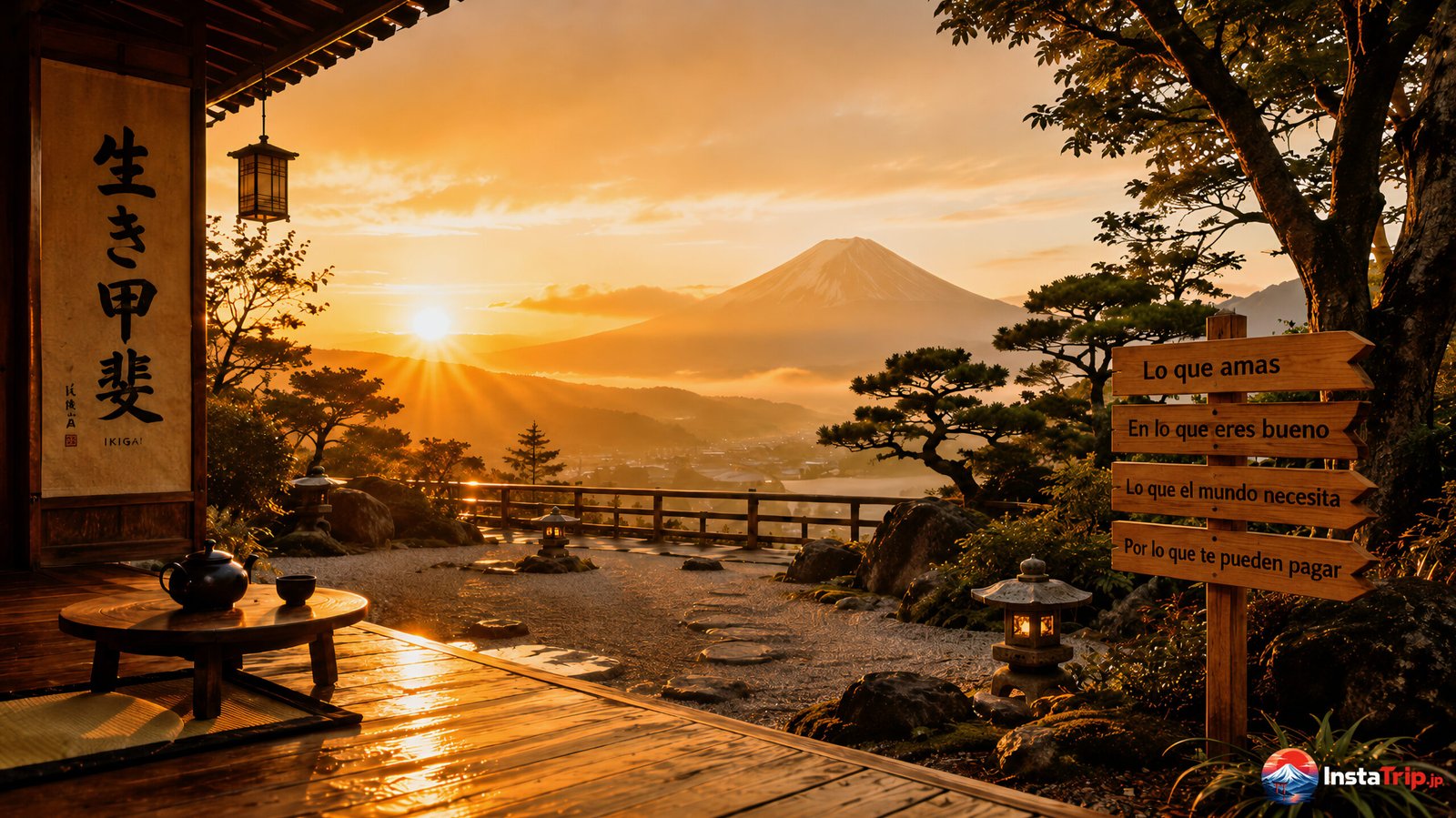
The familiar diagram asks people to find the overlap between what they love, what they are good at, what the world needs, and what they can be paid for. It speaks strongly to people reconsidering their careers, and it can prompt useful questions. But treating the diagram as traditional Japanese wisdom can obscure the richer, more flexible idea behind ikigai.
Work can certainly be part of ikigai. Japan has deep traditions of dedication to craft, from ceramics and cuisine to woodworking, gardening, and performing arts. The steady pursuit of improvement can bring real fulfillment. Still, ikigai is not limited to work, nor does it demand that a person monetize what they love.
A retired teacher who finds joy in tending flowers, a volunteer who looks forward to helping at a local event, or a train enthusiast who plans weekend outings may each have a powerful sense of ikigai. Their reasons for living are not necessarily careers, and they do not need to meet anyone else’s definition of achievement.
The distinction matters because the four-circle model can create another kind of pressure: the fear that life is incomplete until every interest becomes a calling. The Japanese concept leaves more room for ordinary pleasures, relationships, responsibilities, and gradual change.
A Sense of Purpose Built Through Everyday Life
Ikigai is often associated with long life, especially in discussions of Okinawa, where researchers and writers have explored community, activity, diet, and social connection. It would be misleading to claim that ikigai alone explains longevity. Health is shaped by many factors, including access to care, movement, family and community networks, environment, and economic circumstances.
What ikigai does illuminate is the value of remaining engaged. A person may feel needed by friends, neighbors, colleagues, family members, or a shared activity. That feeling can give shape to the week and make time feel purposeful. Rather than chasing happiness as a constant emotional high, ikigai can emerge from having something meaningful to return to.
In Japan, this can appear in the rhythms of everyday culture: the careful arrangement of a bento, a seasonal festival prepared for by local volunteers, the cultivation of a hobby over decades, or the regular gathering of a club. None of these moments needs to be dramatic. Their power comes from repetition, care, and connection.
This perspective resonates with another Japanese appreciation: attention to seasonality. The first blossoms of spring, the humid brilliance of summer festivals, autumn leaves around a temple path, and the crisp light of winter all invite people to mark time through small rituals. Ikigai is not identical to an awareness of the seasons, but both can encourage a more attentive relationship with daily life.
Ikigai Is Personal, Not a Cultural Checklist
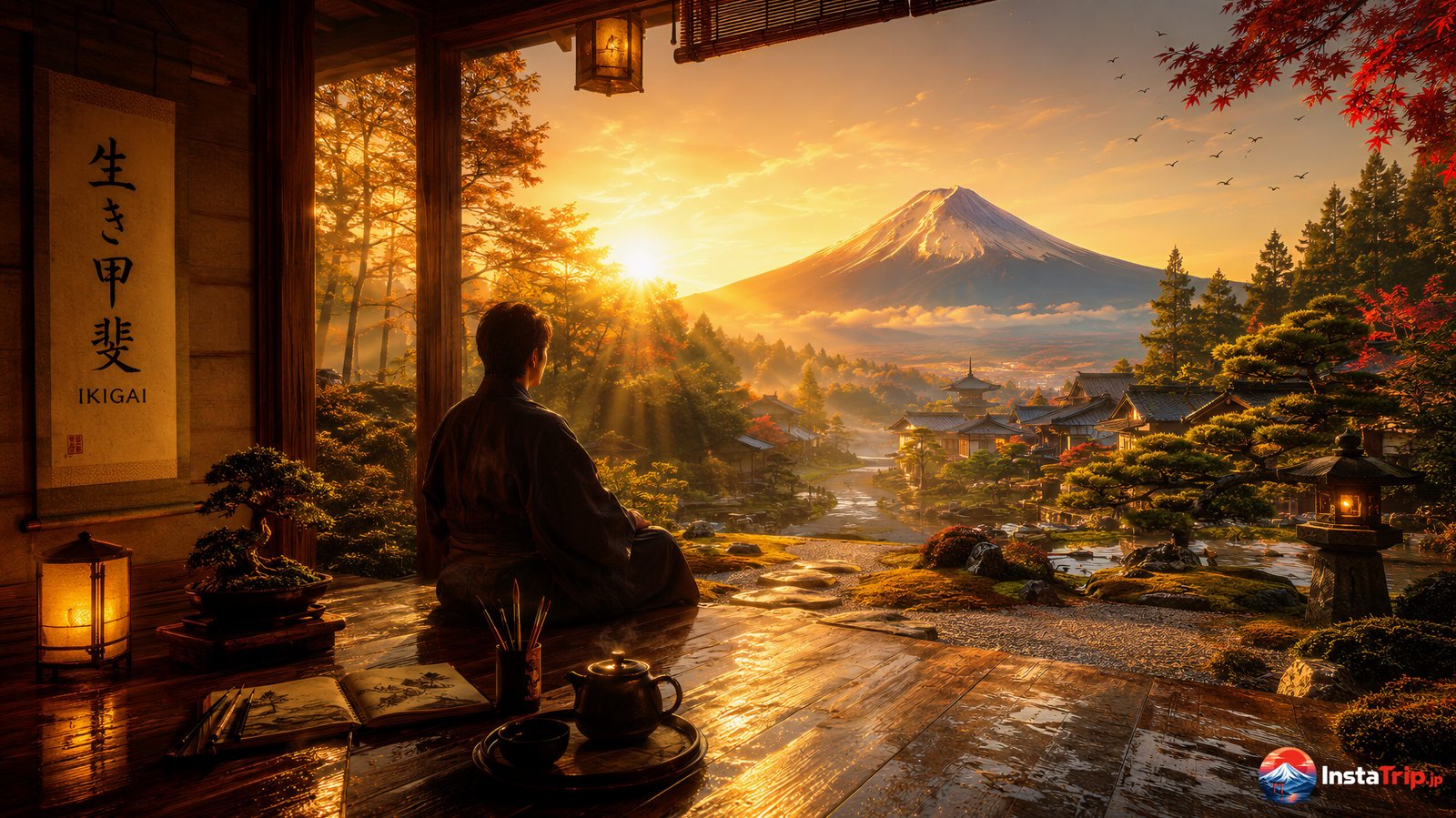
It is tempting to turn ikigai into a checklist: wake early, find a hobby, eat simply, stay busy, and live longer. But this misses the point and risks turning a cultural idea into a lifestyle performance. There is no single Japanese routine that produces ikigai, and Japanese people themselves experience purpose, uncertainty, joy, pressure, and change in many different ways.
Ikigai also does not imply that every day feels easy. People can have a reason to keep going while facing loss, stress, illness, or periods of doubt. A beloved activity may pause. A career may end. Family roles can shift. The sources of meaning that once felt certain may need to be rediscovered.
That flexibility is one of the concept’s strengths. Ikigai can evolve with a life. The purpose found in raising children may later become mentoring others. A professional identity may make room for a creative practice. A move to a new city may lead to fresh relationships and routines. It depends on the person, their circumstances, and what feels genuinely sustaining rather than what looks impressive from the outside.
How Travelers Can Notice Ikigai in Japan
Visitors do not need to search for a labeled “ikigai experience.” In fact, the most revealing encounters are often unplanned. Notice the devotion behind a small shop’s specialty, whether it is hand-made soba, carefully roasted coffee, or traditional sweets prepared with seasonal ingredients. Watch the precision of a craft demonstration in Kyoto or Kanazawa, where technique is carried forward through practice and observation.
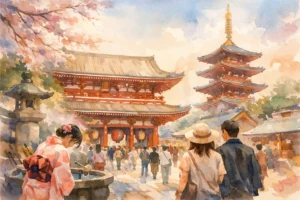
In Tokyo, the contrast can be especially vivid. The dynamic energy of Shinjuku or Akihabara sits alongside quieter rituals: a morning visit to Sensō-ji, a meticulously maintained neighborhood garden, or regulars gathering at a tiny counter restaurant. The city’s scale can feel futuristic and fast-moving, yet meaningful routines continue within it every day.
Smaller places reveal another dimension. In Kamakura, a walk between temples and residential lanes can show how spiritual heritage, nature, and local life overlap. On Okinawa, conversations about community and longevity may offer context, but they should be met with humility rather than the expectation of finding a secret to copy. Travel is most rewarding when it replaces easy answers with closer observation.
Finding Your Own Ikigai Without Forcing It
The most useful way to take inspiration from ikigai may be to ask gentler questions. What activities make you lose track of time in a good way? Who relies on you, and how do you like to show up for them? What small anticipation makes an ordinary week brighter? What would you continue doing even if no one praised it?
The answers do not need to point to a career change or a five-year plan. They may lead to a weekly class, a revived friendship, a volunteer commitment, a creative habit, or simply more care in an existing routine. Meaning can be found through contribution, but it can also be found through enjoyment, curiosity, rest, and the decision to pay attention.
Japan’s idea of ikigai remains captivating because it gives dignity to the small things. A magnificent trip may inspire reflection, but the deeper lesson waits after the journey: make room for the people, places, practices, and moments that give your own life a reason to keep unfolding.